
I first stumbled upon the Ko-fi platform because I was looking for a social media space where I could share my content with fewer restrictions and more opportunities for monetization. My search led me to YouTube, where I found a video comparing YouTube and Patreon. It was this video that introduced me to Ko-fi, and I was intrigued. I decided to dive in and see what Ko-fi had to offer.

Signing Up for Ko-fi
The sign-up process was straightforward. I was first asked how I wanted to sign in, and I chose to use my email. The next question was whether I was on Ko-fi to make money or to support others. While I appreciate supporting fellow creators, my primary goal was to monetize my content, so I selected the option to make money.
Next, I was presented with four ways to earn on Ko-fi:
- Receive donations or tips
- Build monthly membership income
- Sell products (physical or digital)
- Offer commissions or services
I was thrilled to see all these options, as they perfectly aligned with my plans. After selecting my preferred methods of earning, I uploaded a quick profile picture and moved on to selecting my interests. With about 30 categories to choose from, I decided to keep it relevant and picked money, music, animation, podcast, commissions, and blogging.
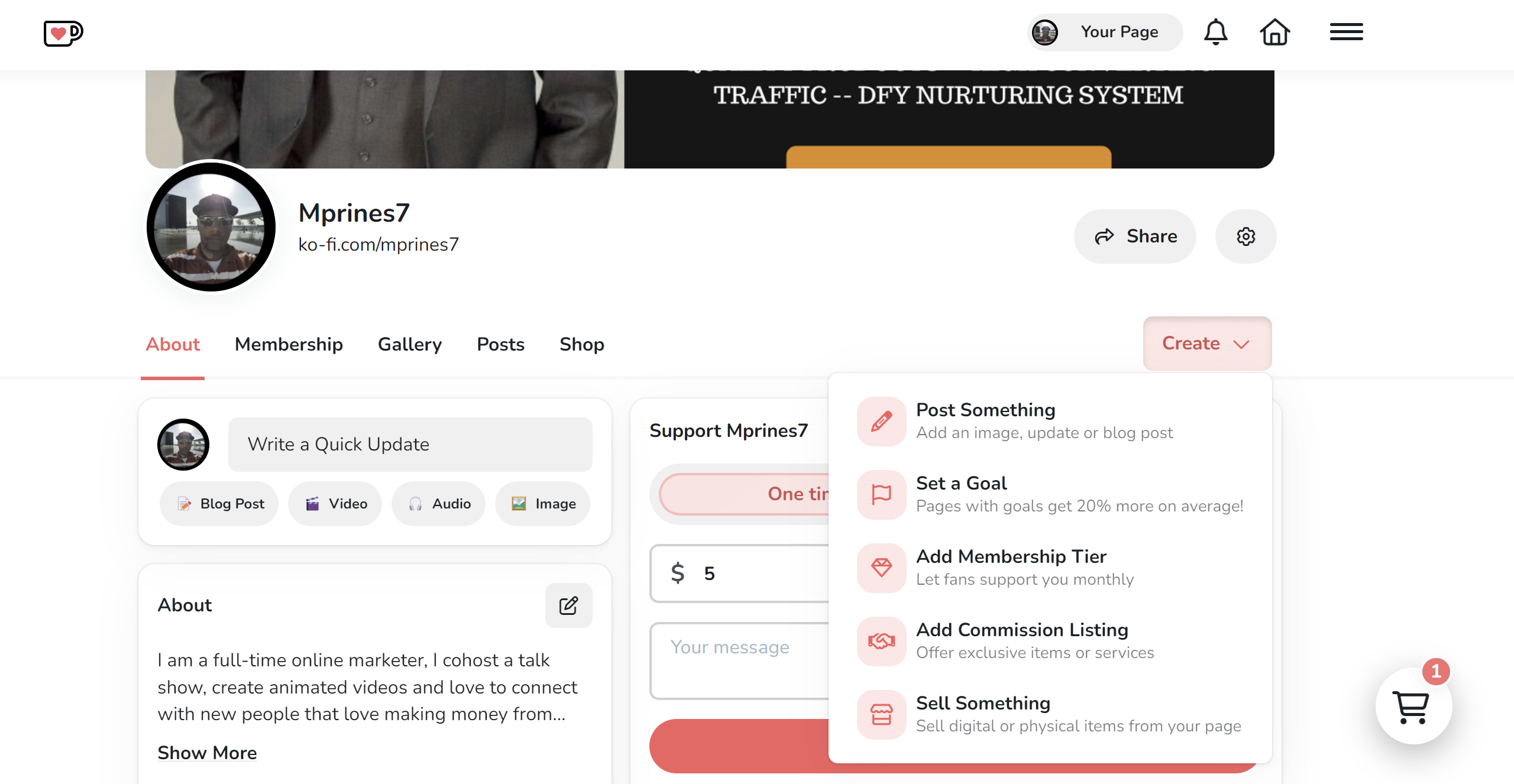
Setting Up My Profile
The next step was to fill out my bio. Once that was done, I encountered a unique feature: Ko-fi offered me access to all its features in exchange for a 5% cut of my earnings. This seemed like a fair deal, so I agreed. After verifying my email with a code, I was all set up and ready to explore.
Creating Content on Ko-fi
I was eager to start, so I jumped right in and created a couple of posts. I even set up a digital product for sale, and the process was surprisingly simple.
One feature that caught my eye was the live streaming option. To use it, I needed to connect to either Twitch, YouTube, or OBS. Having used OBS for the past decade, it was my go-to choice. However, I noted that Ko-fi doesn?t allow direct video uploads. Instead, you can link to videos hosted on platforms like YouTube, or sell digital products, including video trainings, directly on Ko-fi.
Exploring Ko-fi?s Features
Here?s a breakdown of the main features I found useful on Ko-fi:
- Donations: Fans can support you with donations that go directly to your PayPal or Stripe account. This friendly approach makes it easy for supporters to show their appreciation.
- Memberships: You can offer membership tiers to your fans, allowing them to contribute monthly and gain access to exclusive content, Discord roles, discounts, and more.
- Shop: Sell both digital and physical products with ease. There are no listing fees, making it straightforward to monetize your creations.
- Commissions & Services: Offer personalized services or commissions directly to your fans. This feature is great for artists, writers, and other creators.
- Crowdfunding Goals: Set goals for specific projects, equipment, or expenses. Fans can contribute towards these goals, with payments processed instantly.
- Stream Alerts: Integrate with platforms like Twitch and YouTube to receive donation messages during live streams.
- Posts: Share your creative journey through blog posts, videos, and audio clips. This feature helps you engage with your audience and share updates.
- Gallery: Showcase your best work in a portfolio-style gallery, perfect for artists and photographers.
- Integration with Other Platforms: Seamlessly connect Ko-fi with platforms like Discord and WordPress to enhance your online presence.
- No Platform Fees: Ko-fi takes 0-5% of donations, but there are no additional fees for Ko-fi Gold creators, allowing you to keep more of your earnings.
Ko-fi vs Patreon
In my research, I found that Ko-fi offers several advantages over Patreon, especially for those starting out or looking for a low-fee alternative. While Patreon also offers a platform for fan support and content monetization, Ko-fi?s flexibility and lower fees make it a more attractive option for many creators.
Ko-fi does not charge a platform fee for standard accounts, and Ko-fi Gold accounts only incur a 5% fee on donations, which can be a significant saving compared to Patreon?s fees. Additionally, Ko-fi allows for more diverse ways to earn, such as direct product sales and commissions, without the need for additional third-party integrations.
How to Make Money on Ko-fi
Making money on Ko-fi is straightforward. Here are some tips based on my experience:
- Engage with Your Audience: Regularly post updates, behind-the-scenes content, and engaging posts to keep your audience interested.
- Offer Value: Whether through exclusive content, membership tiers, or digital products, ensure that your offerings provide value to your supporters.
- Promote Your Ko-fi Page: Share your Ko-fi page on your social media platforms, website, and email newsletters to attract more supporters.
- Utilize All Features: Make the most of Ko-fi?s features like donations, memberships, commissions, and the shop to diversify your income streams.
Is Ko-fi Free?
Ko-fi is free to use, with no platform fees for donations. However, if you want access to additional features and lower transaction fees, you can upgrade to Ko-fi Gold for a small monthly fee. Ko-fi Gold offers benefits like 0% platform fees, access to more customization options, and advanced analytics.
Setting Up a Ko-fi Account
Setting up a Ko-fi account is simple:
- Sign Up: Choose to sign up via email or through social media accounts.
- Choose Your Purpose: Select whether you are on Ko-fi to make money or support others.
- Select Your Earning Methods: Choose from donations, memberships, product sales, or commissions.
- Complete Your Profile: Upload a profile picture, select your interests, and fill out your bio.
- Verify Your Email: Complete the verification process to activate your account.
- Start Creating: Begin posting content, setting up your shop, and engaging with your audience.
Ko-fi Payments and Fees
Ko-fi allows creators to receive payments directly to their PayPal or Stripe accounts. The platform fees are minimal, with standard accounts having no platform fees and Ko-fi Gold accounts incurring only a 5% fee on donations. This makes Ko-fi an affordable and efficient platform for creators to monetize their work.

Conclusion
Ko-fi is a versatile and supportive platform for creators. Its blend of donation, membership, and e-commerce features makes it a powerful tool for monetizing creative content.
Whether you?re an artist, writer, podcaster, or any other type of creator, Ko-fi provides the tools you need to connect with your audience and monetize your work effectively. In the right hands, Ko-fi can be a game-changer, offering limitless income potential.
If you?re looking for a platform that combines social media freedom with robust monetization options, I highly recommend giving Ko-fi a try.