
As an avid email marketer, I?m always on the lookout for the latest trends and best practices to enhance my strategies. Recently, I came across three insightful articles that delve deep into the essential aspects of email marketing.
?????These articles have helped me understand why asking "What is your goal?" before creating an email marketing strategy is vital, the most effective email marketing campaign strategies, and the importance of segmentation in email marketing. Here's a comparison of these articles and actionable steps you can take to boost your email marketing efforts.
Why Should You Ask "What is Your Goal?" Before Creating an Email Marketing Strategy?
Setting goals is a fundamental step in any marketing strategy. It?s the compass that guides your efforts and measures success. In Ryan Phelan?s article "Stop! Or Go Directly to Email Jail," he emphasizes the importance of having a clear strategy over mere tactics. Phelan points out that without a defined goal, your email campaigns are like ships adrift at sea?no direction, no purpose, and no way to measure success.
Key Takeaways:
- Define Clear Objectives: Whether it?s increasing sales, boosting engagement, or growing your subscriber list, knowing your objective helps tailor your email content and strategies accordingly.
- Align with Business Goals: Your email marketing goals should align with your overall business objectives to ensure coherence and effectiveness.
- Measure Success: Establishing clear goals allows you to measure the success of your campaigns and make data-driven decisions.
What is the Most Effective Email Marketing Campaign Strategy?
Rayna Perry?s article on the best email marketing software highlights several strategies that can elevate your email marketing game. One strategy that stands out is the use of automated workflows and segmentation to deliver personalized content to your subscribers.
Key Takeaways:
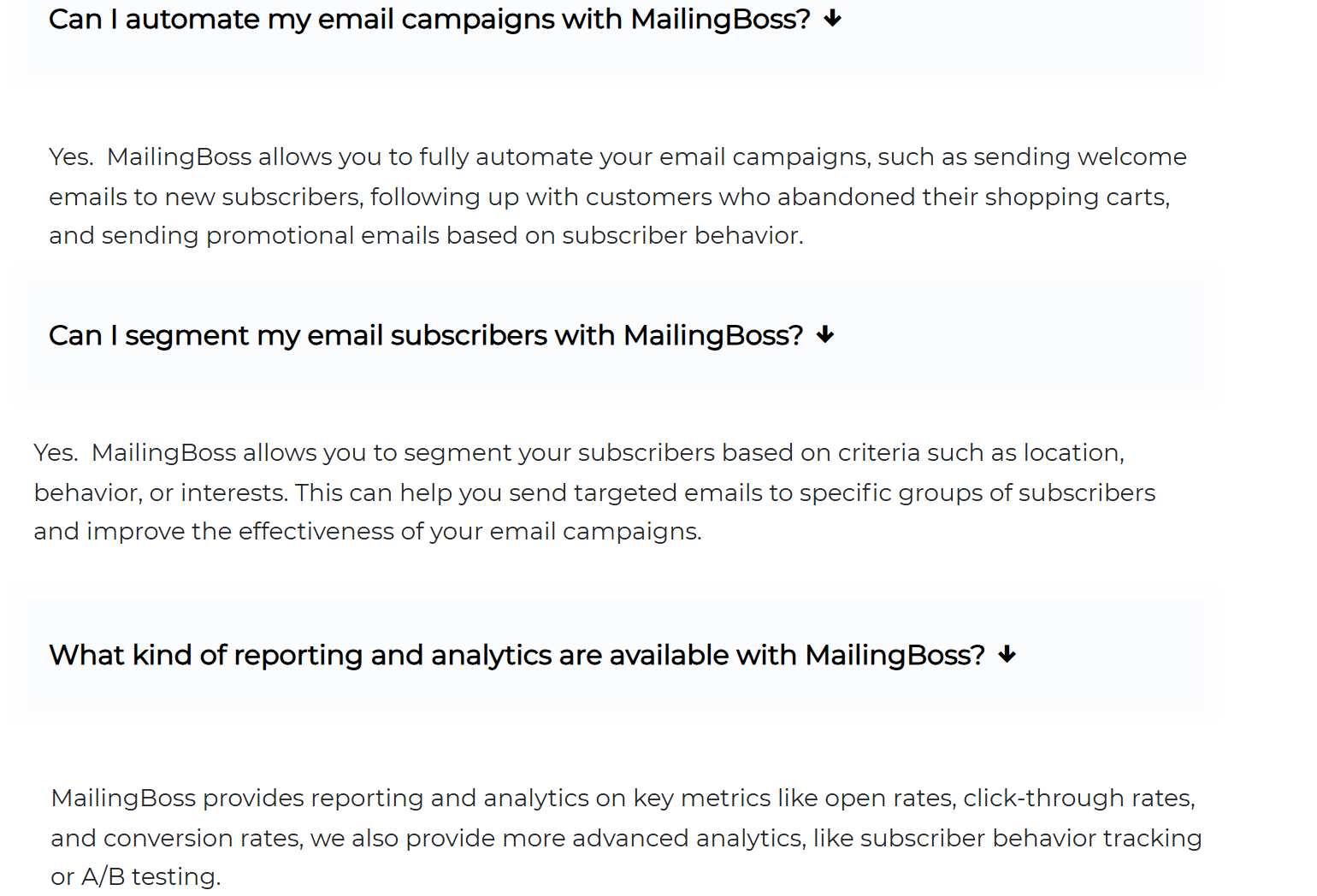
- Automation: Utilizing email marketing software to automate your campaigns ensures timely and relevant content delivery, which can significantly improve engagement rates.
- Personalization: Personalizing your emails based on subscriber behavior and preferences can lead to higher open and click-through rates.
- Testing and Optimization: A/B testing different elements of your emails (subject lines, content, images) helps identify what resonates best with your audience.
Why is Segmentation Important in Email Marketing?
Segmentation is the process of dividing your email list into smaller, more targeted groups based on specific criteria. This approach is crucial for delivering relevant content that meets the unique needs of each segment.
Key Takeaways from Mike Pastore?s Article:
- Relevance: Segmented emails are more relevant to the recipients, which leads to higher engagement rates. People are more likely to open and interact with emails that speak directly to their interests and needs.
- Reduced Spam Complaints: By sending targeted emails, you reduce the likelihood of recipients marking your emails as spam. Dana Carr from Optimove suggests using preference centers to let users dictate the frequency and type of emails they receive.
- Increased Revenue: Segmented email campaigns often result in higher conversion rates and increased revenue. By addressing specific pain points and interests, you can drive more sales and engagement.
Actionable Steps to Boost Your Email Marketing Strategy
- Set Clear Goals: Start by asking yourself what you want to achieve with your email marketing campaigns. Make sure these goals align with your overall business objectives.
- Choose the Right Tools: Invest in email marketing software that offers automation, segmentation, and analytics features. Tools like Mailingboss, Brevo, and Zoho Campaigns are excellent options.
- Segment Your Audience: Use data to segment your email list based on demographics, behavior, and preferences. This will help you send more targeted and relevant emails.
- Personalize Your Emails: Incorporate personalization elements like the recipient?s name, past purchase history, and preferences to make your emails more engaging.
- Test and Optimize: Continuously test different elements of your emails and optimize based on the results. Pay attention to metrics like open rates, click-through rates, and conversion rates.
- Stay Compliant: Ensure your emails comply with authentication requirements and regulations like CAN-SPAM to avoid deliverability issues.
Conclusion
Understanding the importance of setting goals, employing effective strategies, and utilizing segmentation can significantly enhance your email marketing efforts. By learning from the insights shared in these articles, you can create a robust email marketing strategy that not only meets your business goals but also resonates with your audience. Remember, the key to successful email marketing lies in continuous learning, testing, and optimization.